
Montessori & Me provides a child-centered learning environment
Our Classrooms
Children earn from concrete experience and direct interaction


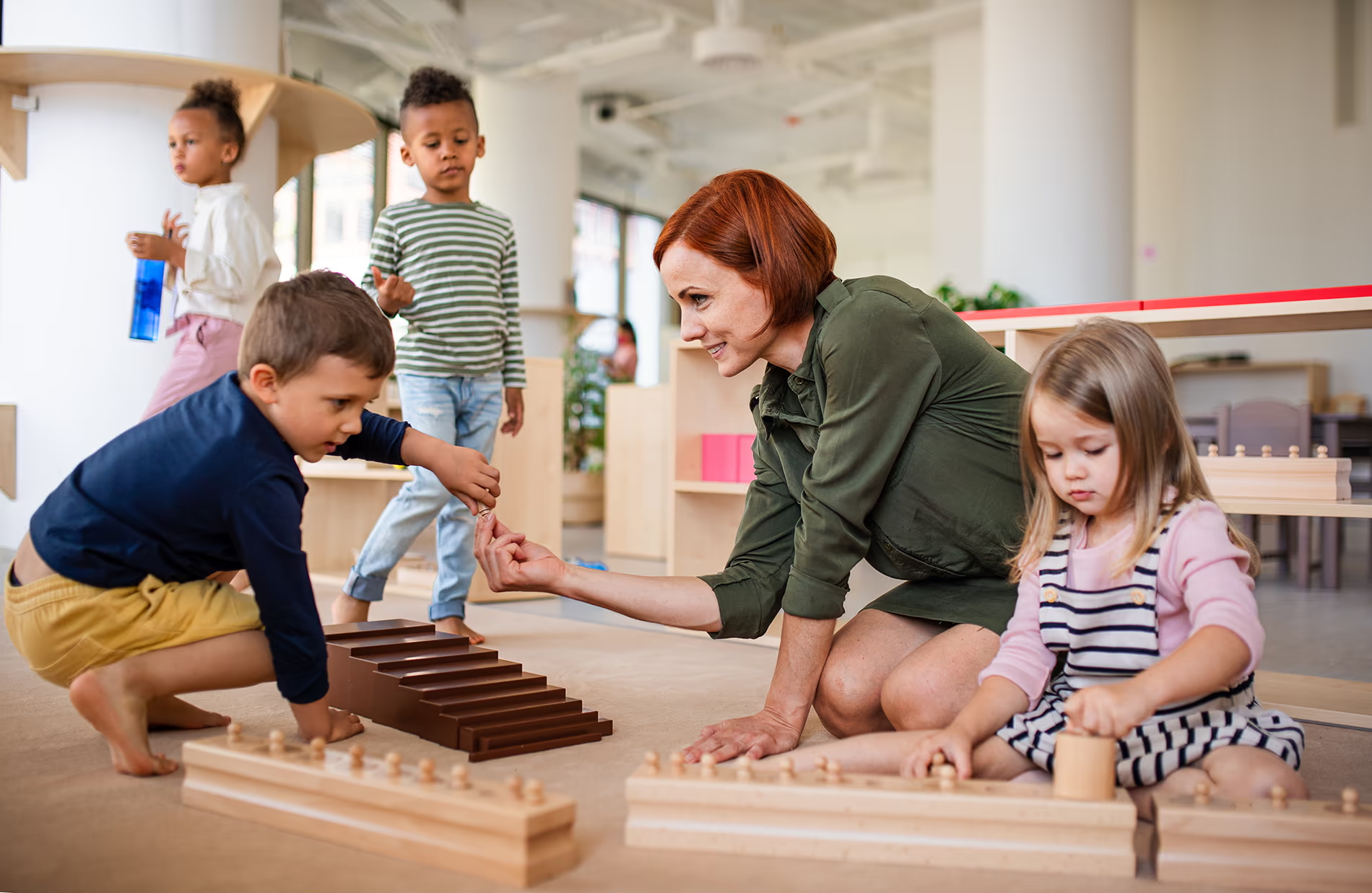
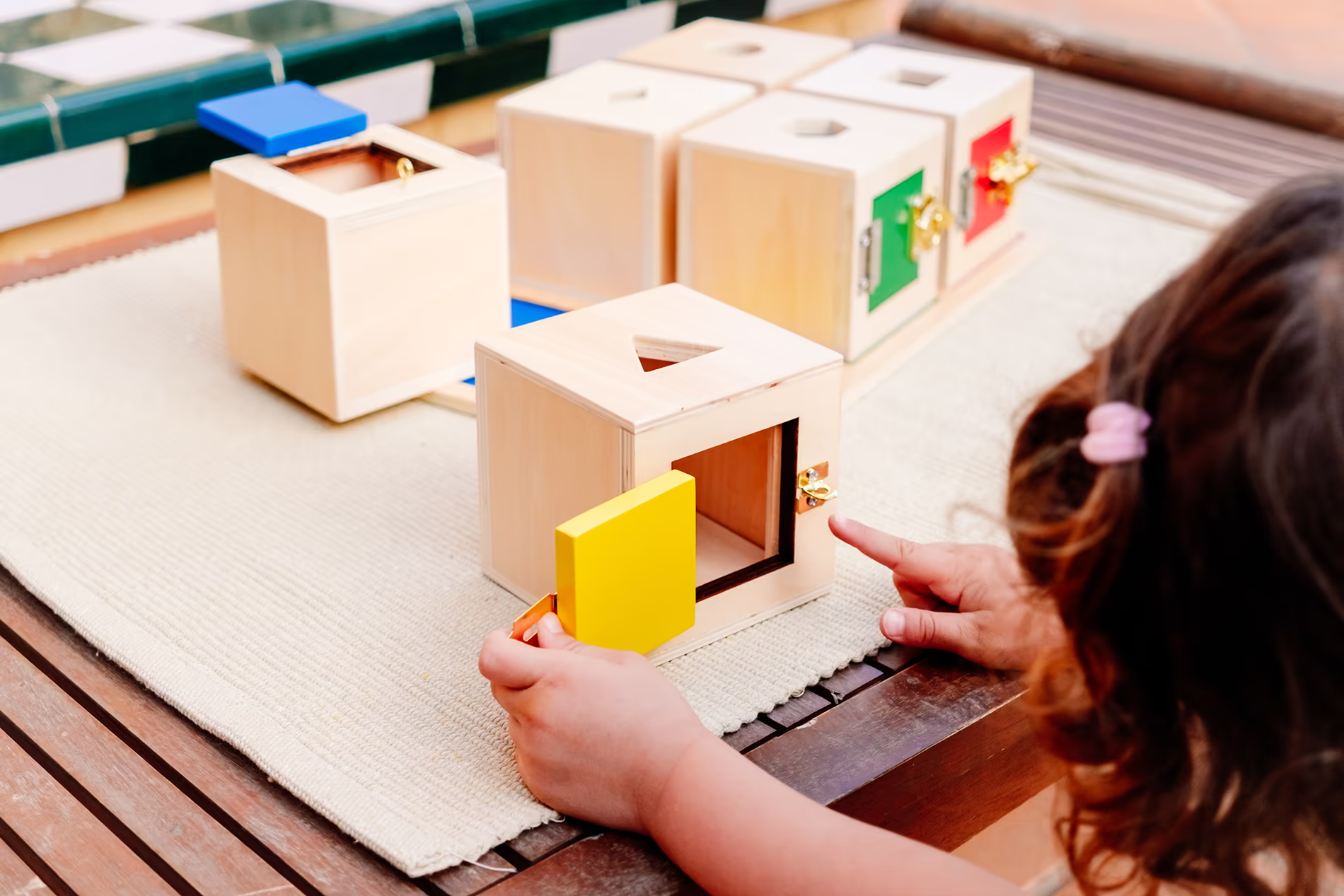
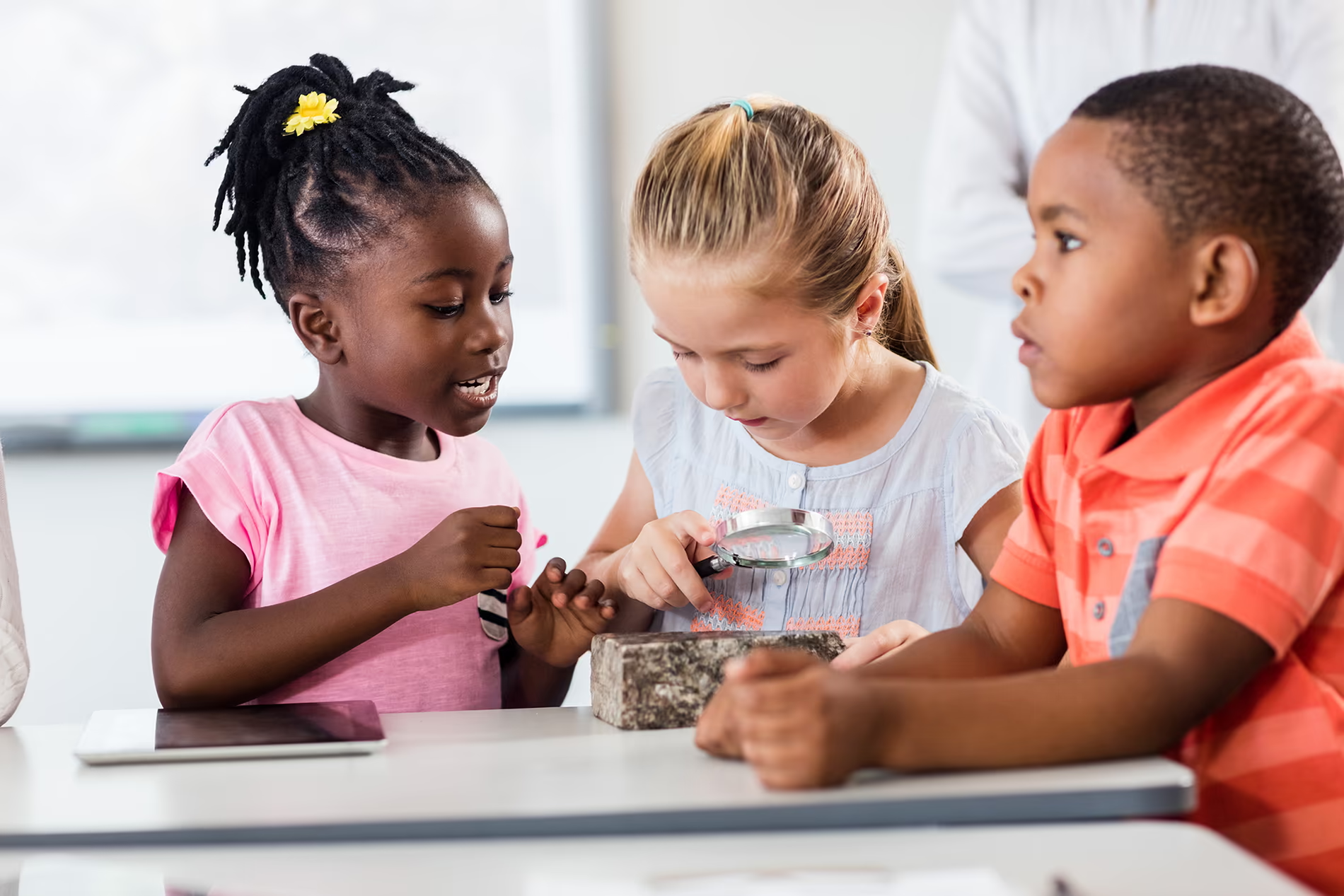
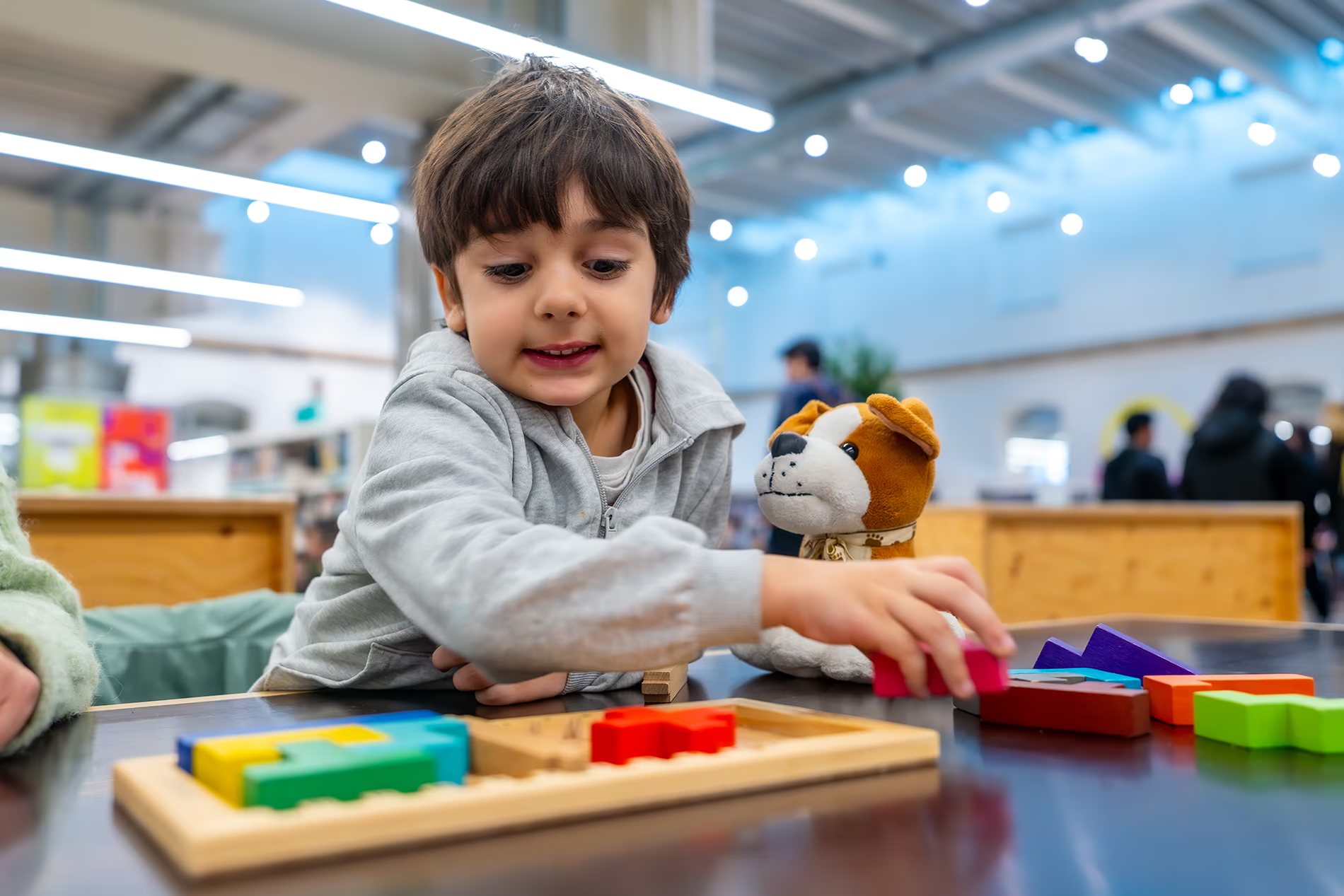
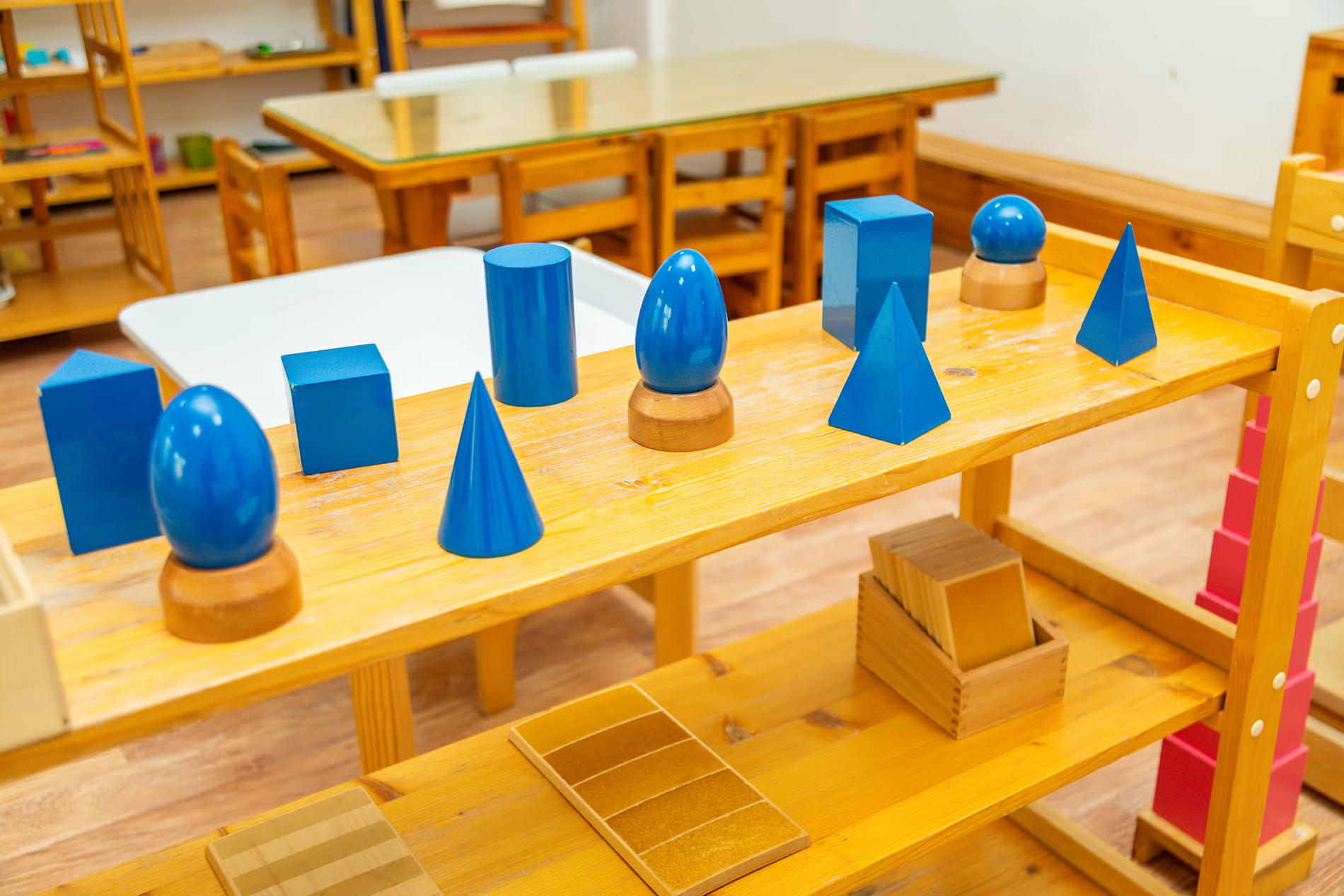
The curriculum is organized into a spiral of integrated studies that span programs, rather than traditionally compartmentalized into separate subjects that may not be repeated in subsequent years. In the early years, lessons are introduced simply and concretely, and are reintroduced several times over succeeding years at increasing degrees of abstraction and complexity. Subjects are integrated into studies of the physical universe, the world of nature and the human experience. Literature, the arts, history, social issues and science all complement one another. This integrated approach is one of Montessori’s greatest strengths. For example, when students study Italy, they will also read about a number of the Caesars, construct models of Roman arches, investigate Roman coins, prepare a Roman meal and study the ecosystems, flora, fauna and natural resources of Italy.
Since liberty is fundamental to our educational philosophy, students are provided with varying degrees of lesson and activity choices. Students may choose to complete any lesson that the teacher has presented or request a presentation on new material. Our program provides large blocks of uninterrupted work time to allow students to spontaneously repeat lessons, arrive at new ways of completing lessons through exploration and experimentation, discover relationships between various classroom materials and pursue topics of special interest. Additional reference and hands-on materials are always available so that students may expand learning beyond what is usually presented in a classroom lesson.
Multi-Age Grouping
Current educational theory and research indicate that learning is an individual process, in time frame, style, interests and also that children learn from one another. Even though most schools are organized by homogeneous, single-age grouping, research has not found this to be beneficial. Conversely, heterogeneous grouping, by ability and age, improves relationships between all students and facilitates the use of learning objectives and expectations. This results in a strong sense of classroom unity, peer instruction and role modeling.
For over 100 years, the Montessori Method has supported multi-age grouping. This concept has recently moved into the mainstream due to the work of many educational theorists, researchers and practitioners. Several childhood organizations are recommending or requiring multi-age grouping in preschool and elementary settings.
At Montessori & Me, children are grouped in mixed-ages and abilities from 28 months to 6 years of age. There is constant interaction, problem solving, child-to-child teaching and socialization. Children are challenged according to their ability and able to find an intellectual peer.
Our Schedule
AM Program
Monday - Friday 8:00 am - 11:30 am
PM Program
Monday - Friday 12:45 pm - 4:15 pm
Preparing an environment that cultivates the child’s natural desire to learn
Montessori Method
Dr. Maria Montessori was born in Italy on August 31, 1870. She never dreamed of teaching and was accepted into the Faculty of Medicine in error – the admissions clerk believed her name to be Mario. Once enrolled, the University of Rome was too embarrassed to ask her to leave. Much to their chagrin, Maria became the first female physician in Italy and was the class Valedictorian. Dr. Maria Montessori graduated cum laude and was nominated for the Nobel Peace Prize three times.
At the turn of the century, Dr. Montessori began a process that would have worldwide implications. Over the next 100 years, she changed the course of education and teaching in every classroom from Preschool to University. She discarded old prejudices regarding children and set out to establish a scientific approach to education, based on the careful observation of children in many different countries, cultures and socio-economic backgrounds. Her philosophy reflects her deep respect for children and her trust in their ability to be active participants in their own learning, ultimately enabling them one day to be active participants in world peace.
Montessori believed the goal of early childhood education is to prepare an environment that cultivates the child’s natural desire to learn. This environment and the materials will motivate the child towards self-directed learning and independence from adults.
The Montessori Method is based on the fundamental premise that
- The child has a true love and need for purposeful work.
- The child possesses an unusual sensitivity and mental powers for absorbing and learning from the environment - unlike those of the adult, both in capacity and quality.
- The most important years of growth are the first seven or eight years of life, when the unconscious learning is gradually differentiated on the conscious level.
Children are to be respected as different from adults, and as individuals who differ from one another. Dr. Maria Montessori died on May 6, 1952 at the age of 81. She gave the world a better understanding of the way in which children learn and the type of environment that is best suited to their needs. Contemporary educational and cognitive development experts have validated her research. Those who studied under Dr. Montessori and went on to make their own contributions to education and child psychology include: Anna Freud, Jean Piaget, Alfred Alder and Erik Erikson.
The Method at Montessori & Me

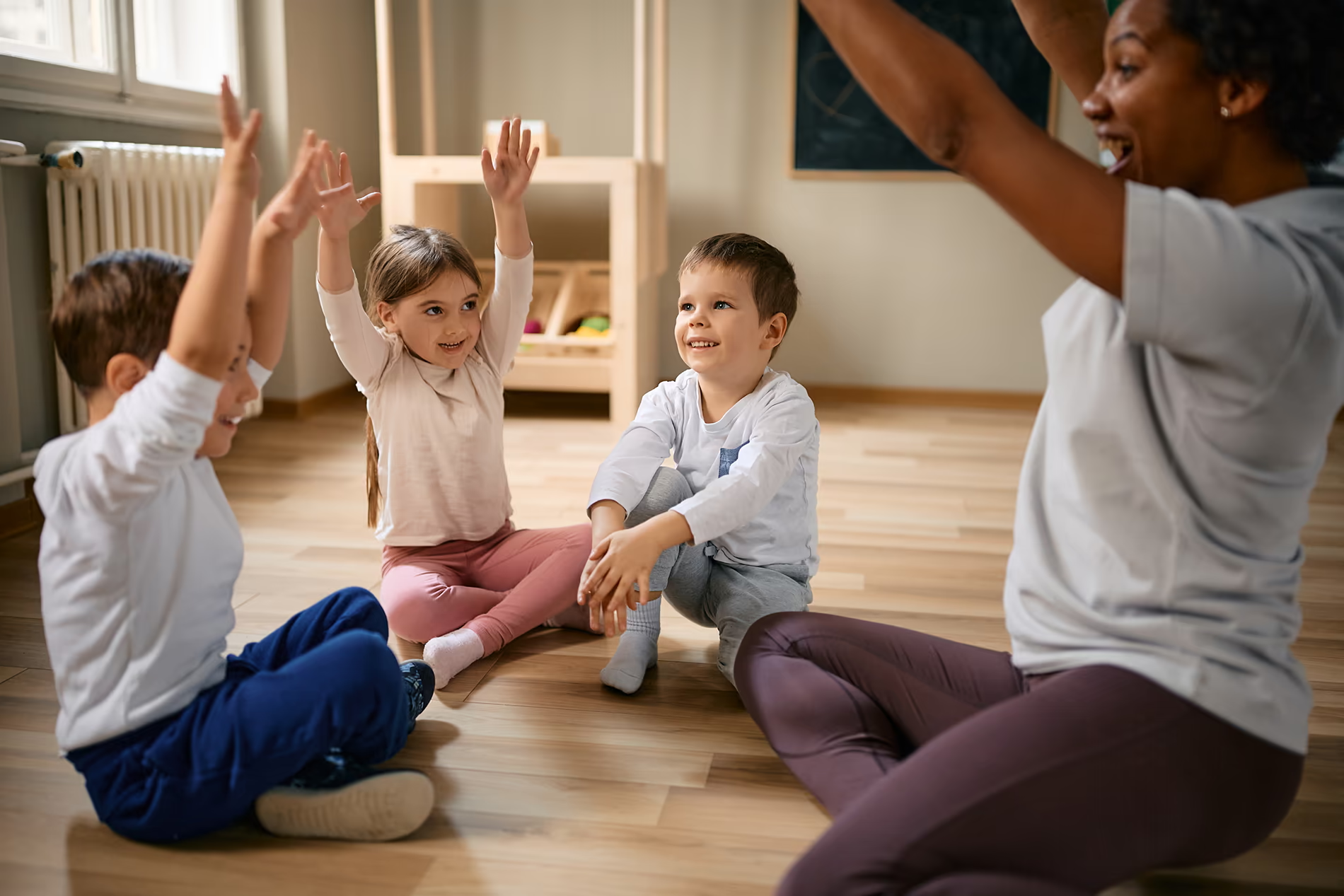
Our technique is composed of three elements:
The Prepared Environment
We construct the prepared environment based on the needs of the child.
Observation
We constantly observe to discover the needs of the child
Non-Directive Guidance
The child’s freedom to explore is just as important as learning the proper, purposeful use of the materials.
Grace and courtesy at Montessori & Me
Our Approach
We model grace and courtesy, along with the ground rules
Teachers use “I understand” messages to acknowledge a child’s feelings while insisting upon adherence to classroom guidelines and work expectations. We never demean or criticize students for inappropriate behavior or failure to accomplish a learning task. Rather, we present and re-present practical alternatives and possibilities. We demonstrate ways in which the child may succeed.
Teachers are respectful of working students and do not interrupt them
This enables students to work with a lesson until it is completed to the student’s satisfaction. All activity, however, is dependent on adherence to ground rules which prohibit harm to self, others and the classroom environment.
Corporal or shame-based punishment is not permitted under any circumstances
It is helpful for parents to uphold these basic tenets at home as well and use positive, non-violent methods to reinforce ground rules. Research has shown that punitive measures are far less effective teaching tools that positive attention and reinforcement.
We carefully prepare the learning environment prior to the beginning of the school year and renew our classroom on a monthly basis
We exchange some activities for more difficult ones, incorporate new materials to meet individual needs and address current events. Teachers present lessons and activities primarily on an individual basis or in a small group.
Teachers observe each child and engage the child’s interest with specific lessons
In selecting an activity for a child, the teacher will ensure it is the right match - difficult enough to be challenging, but not so difficult that it is frustrating. Careful observation of the child allows the teacher to direct the child to new activities, to help before frustration sets in and to represent the concept in a parallel activity at either a simpler of more advanced level.
Parents should show respectful and positive attention when students bring work home
Do not automatically correct “mistakes”. Focus on the positive advancement the work represents and trust that the teacher is fully aware and working with your child to achieve a higher level of mastery.
Research
Current research indicates:
- Montessori children are rated significantly superior on interest in learning, independence, interpersonal relations, leadership and learning ability.
- Montessori programs are rated as the most effective in producing long-term school success.
- Montessori children continue to maintain statistically higher levels in reading and math.
- The Montessori approach performs better that other programs studied in the development of attention strategies, general intelligence, achievement in academic areas and in maintaining these skills.
Our Dedicated Teachers
Classroom Routines
Students are welcomed to class each day and shake a teacher’s hand. We end our session with the same ritual, a handshake and “thank you for the good work you did today”. Lessons in “grace and courtesy” are the cornerstone of the Montessori method.
Before classes begin we have a 15 minute period of play. This provides an opportunity for
students to arrive, greet their teachers and visit with friends.
Practical Life
Sensorial
Mathematics
Language Arts
Culture
Group activities include circle time, story telling, music, dance, yoga, culinary arts, arts/crafts, gym, nature walks and French lessons.
Our day includes 20 minutes of physical exercise outdoors (weather permitting) or in the Britannia School gymnasium (subject to availability). Students run, skip, play games with balls, the 24 man parachute, hopscotch, tumble mats, hula hoops and a full range of preschool sized gym equipment.
Traditional games such as Bean Bag Toss, Red Light Green Light, Farmer in the Dell, Duck-Duck- Goose, Red Rover, London Bridge and other favorites are enjoyed by all. Teachers supervise and participate in all gym activities. After gym, students freshen-up and are encouraged to have a drink of water.
We host a traditional circle and sing Our Welcome Song, discuss the calendar and seasons, festive events and holidays. Each day the class is presented with new material relating to our monthly themes and area of cultural study. All students are encouraged to join in our circle group discussions.
The students work with our Montessori materials for approximately 90 minutes. Individual and small group presentations occur spontaneously. This year our ballet, music and yoga classes will be held on Wednesdays, French on Mondays and Art on Thusdays. On the last Friday of the month we deliver our culinary arts class.
Successful Students & Satisfied Parents
Our Staff
We are proud of our staff!
Our certified Montessori teachers have achieved specialized and advanced training in the Montessori method. They are chosen for their love of the preschool child and the ability to create an environment that is warm, caring, engaging and fun.

Ayesha Azam
French Teacher
- Enrolled in 3rd Year of a BSC Degree – MacEwan University, Alberta
- French as a Second Language – Elementary, Junior High & High School
- Private French Tutoring – 3+ years
- Standard First Aid Certificate with Level C CPR & AED
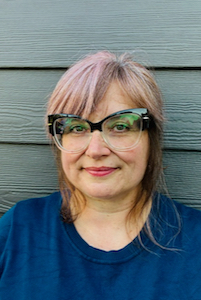
Jennifer Myers
Yoga Teacher
- Yoga Association of Alberta – 300 Hour Certificate
- Registered Massage Therapist – Lion’s Paw Wellness
- Massage Therapy Association of Alberta – 18 years
- Visual Artist and Trauma Counsellor – Lion’s Paw Wellness
- Pursuing a Bachelor’s Degree In Psychology
- Standard First Aid Certificate with Level C CPR & AED

Maria Lobreau
Music Teacher
- Level 9 Piano Certificate – Royal Conservatory of Music
- Level 8 Violin Certificate – Royal Conservatory of Music
- BSc Human Ecology – Family Studies- University of Alberta
- Violin Teaching Artist – “YONA” Winspear Centre Program
- Private Violin Teacher – Augustana Campus, University of Alberta.
- Alberta Child Care Certificate – Level 2
- Standard First Aid Certificate & Level ‘C’ CPR
- Ensemble experience playing all genres of music with small string ensembles, large orchestras and jam-style groups.
- Teaching Values: Trust, Honesty, Respect, Connection and Commitment.

Courtney Woods
Ballet/Dance Teacher
- Advanced Certification in Jazz & Tap – Associated Dance Arts for Professional Teachers (A.D.A.P.T.)
- Grade 6 & Intermediate Level Certification in Ballet – Royal Academy of Dance (R.A.D.)
- Training – Modern, Lyrical, Contemporary, Pointe, Musical Theatre, HipHop, Funk Styles, African and Animation
- Emergency First Aid Certificate with Level ‘C’ CPR – Canadian Red Cross

Asma Saqlain
Montessori Early Childhood Teacher
- MA (Fine Arts) – University of Punjab, Pakistan
- Montessori ECE Diploma (M.A.C.T.E. Accredited), Toronto Montessori Institute – Canada
- Alberta Child Care Certificate – Level 2
- Standard Child First Aid Certificate with Level ‘B’ CPR – Breath For Life
- Advanced Food Safety Certificate – Canadian Food Safety
Michelle Lopez
Montessori Early Childhood Teacher
- B.S. (Major in Psychology) – St. Paul College, Philippines
- Montessori Early Childhood Diploma – University of San Carlos, Philippines
- Montessori Early Childhood Certificate – College of New Rochelle, USA
- Alberta Child Care Certificate – Level 2
- Standard Child Care First Aid with Level ‘B’ CPR – Breath For Life
- Advanced Food Safety Certificate – Canadian Food Safety